
A Pre-Primary to Year 10 Christian school alternative.
Enquire nowWatch: What is The Classical School?
Est. 2022
Pre-Primary to Year 10
About 85 students
Small mixed age classes
St Patrick's & Hungarian Hall
Two locations
Three days a week
“The task of the modern educator is not to cut down jungles but to irrigate deserts.”
— C.S. Lewis
You want more focus, more individual attention, and faith, family and learning woven together.
But home education can feel out of reach, and you wonder, "Will my child still have friends? Will they be prepared for life?"
That's why The Classical School exists. Three days a week, your child learns in small, spirited classes with Christian tutors and friends, and at home the rest of the week with you.
“Thou shalt teach them diligently unto thy children.”
— Deuteronomy 6:7
Think of us as the best of both worlds: the structure and excellence of a classroom, combined with the flexibility and closeness of home education.
For three days each week, your child learns with us – in small classes, with caring Christian tutors, in a joyful community.
“When the righteous are in authority, the people rejoice.”
— Proverbs 29:2
The liberal arts are the arts of free people. They free a child from ignorance and prepare them to live well in a free country.
Classical education trains children to think clearly, reason well and speak with influence. It was how the Church educated for centuries and it aims to raise both civic leaders and scientific pioneers.
At its heart are the seven liberal arts: Grammar, Logic, Rhetoric, Arithmetic, Geometry, Music and Astronomy. At The Classical School, your child will meet these arts as windows into the order of God's world, and grow in character, virtue and Christian faith.
Click on each image to learn more.
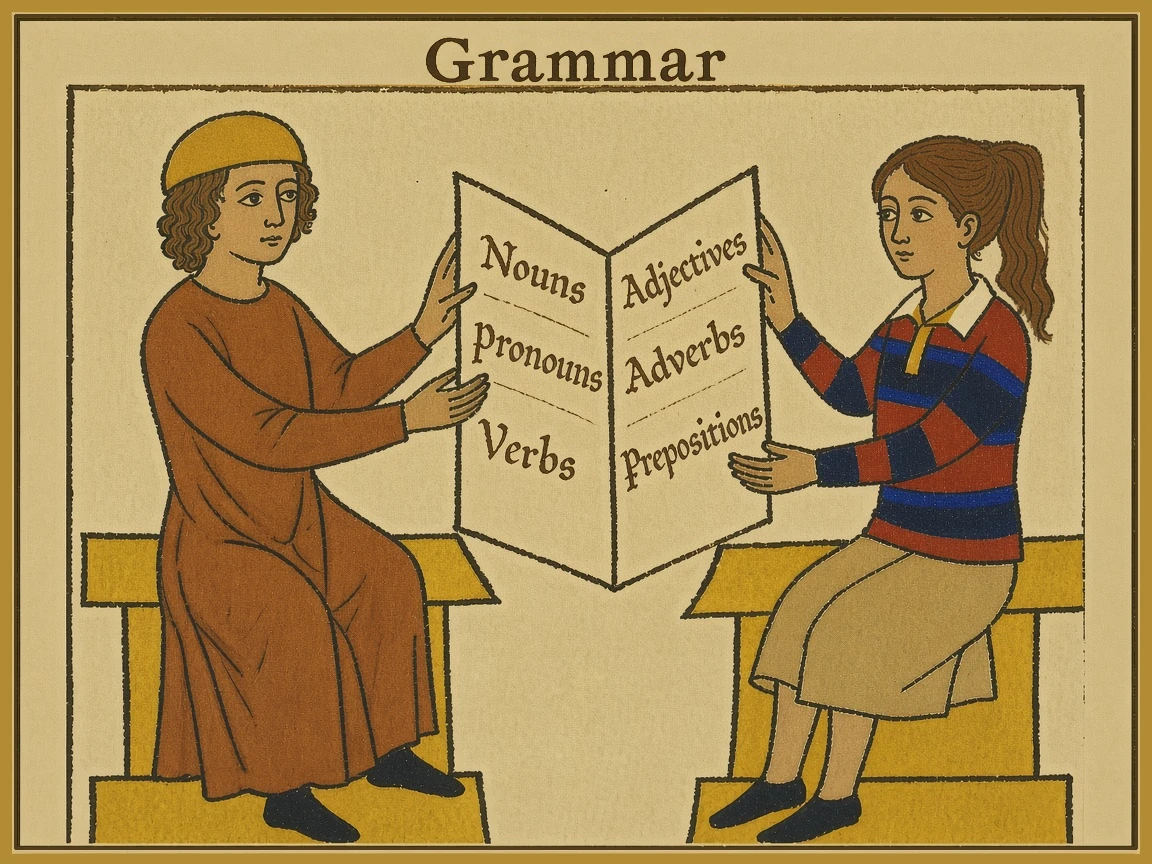
Grammar
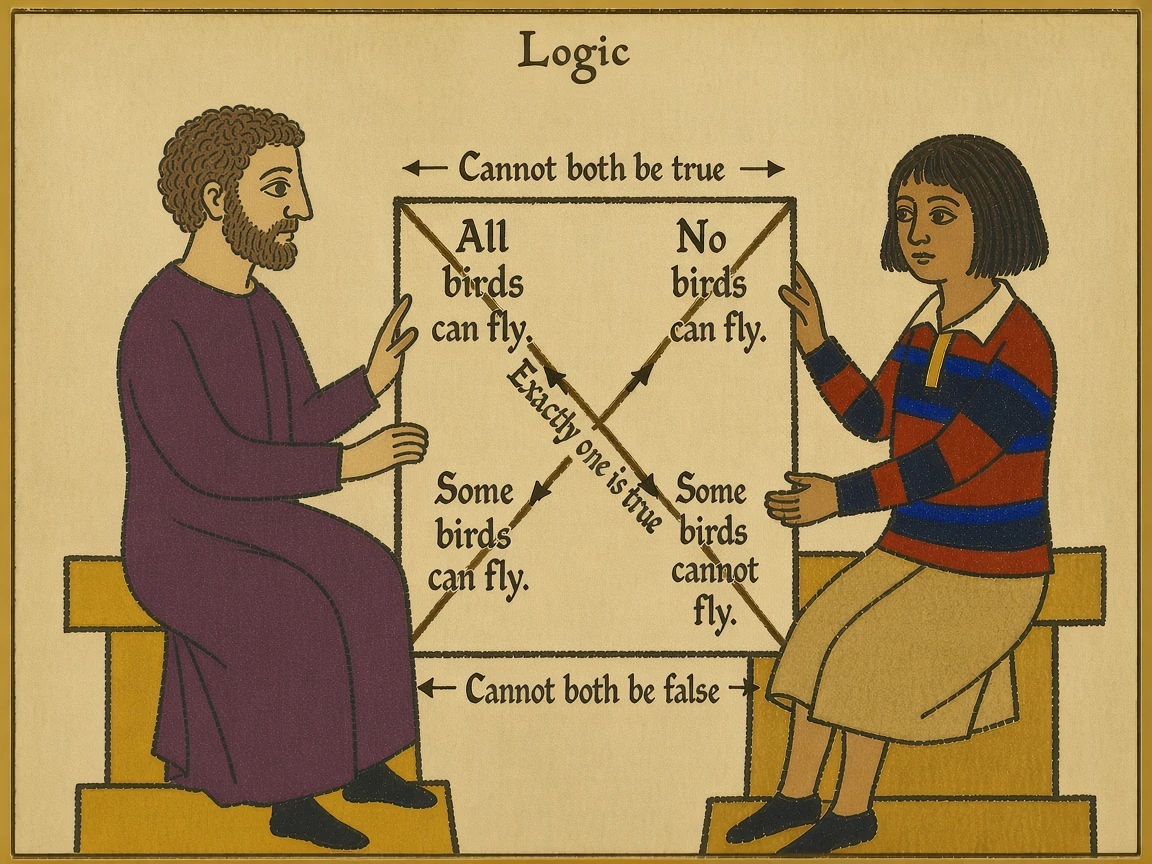
Logic
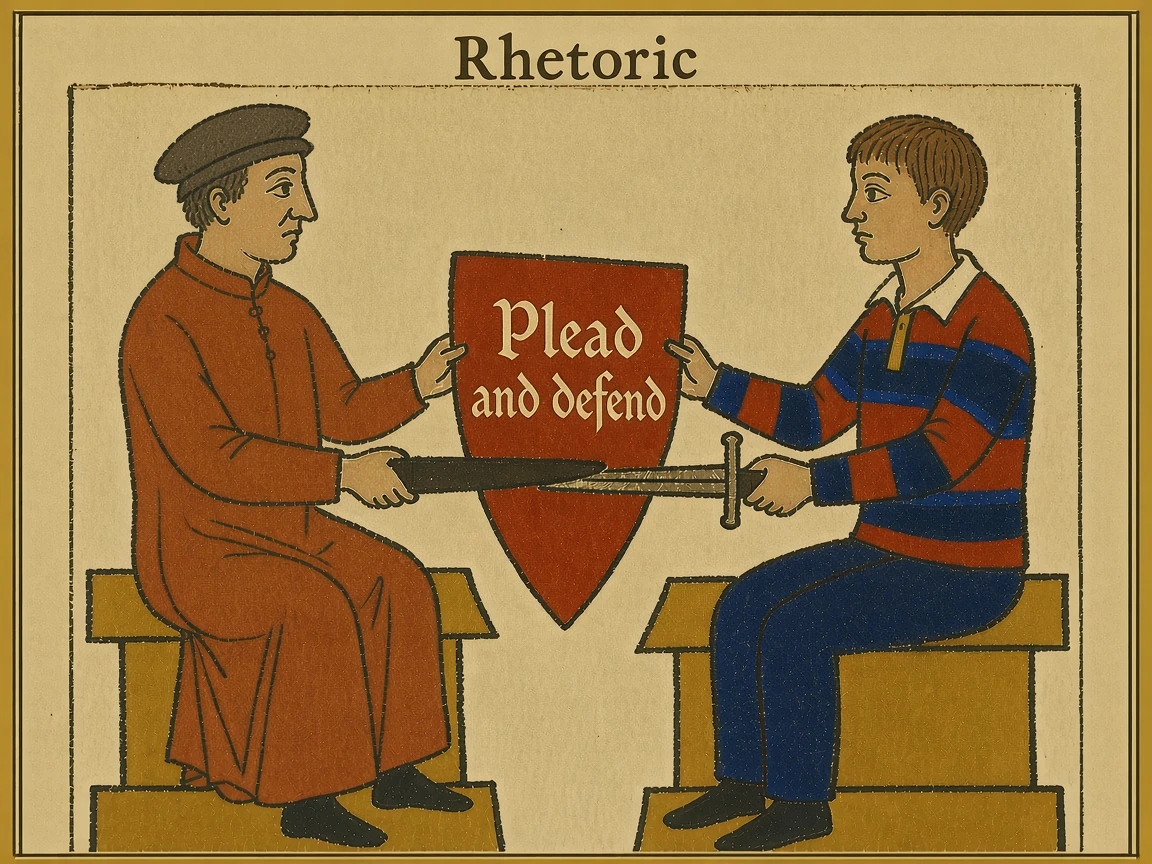
Rhetoric
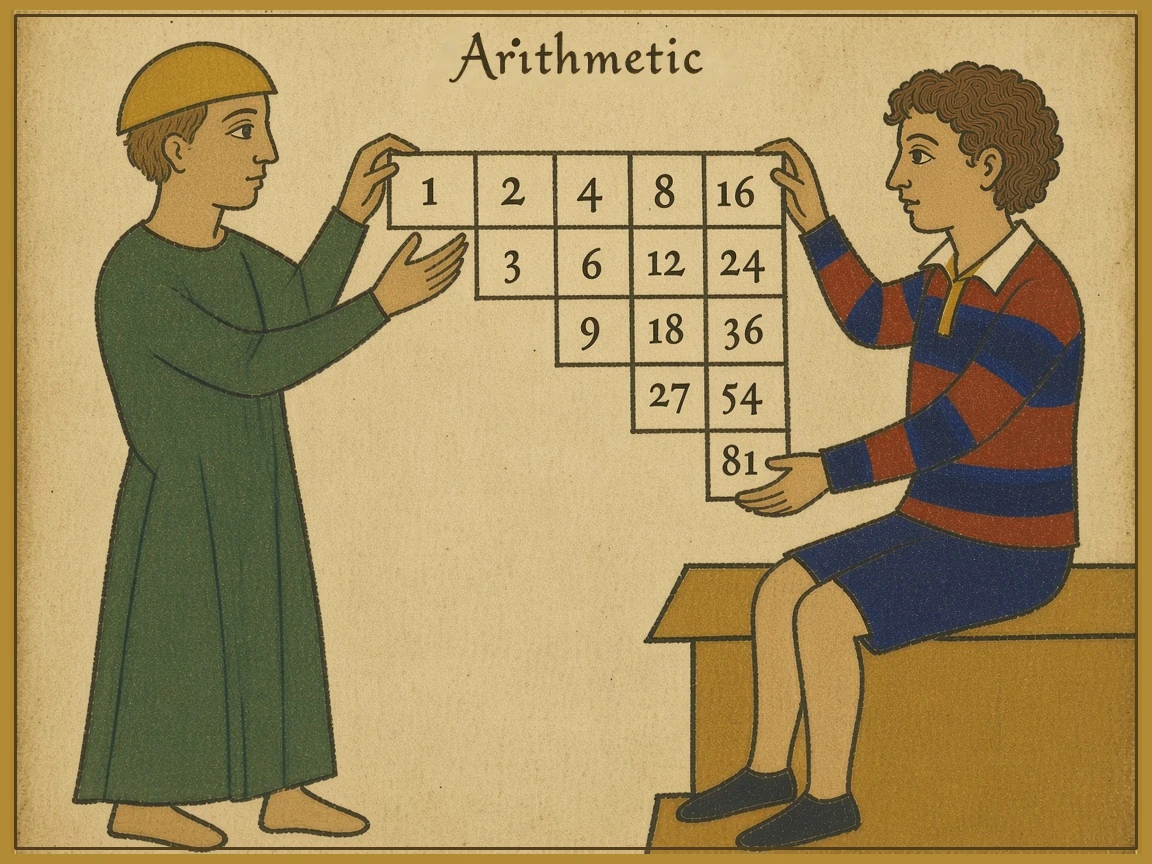
Arithmetic
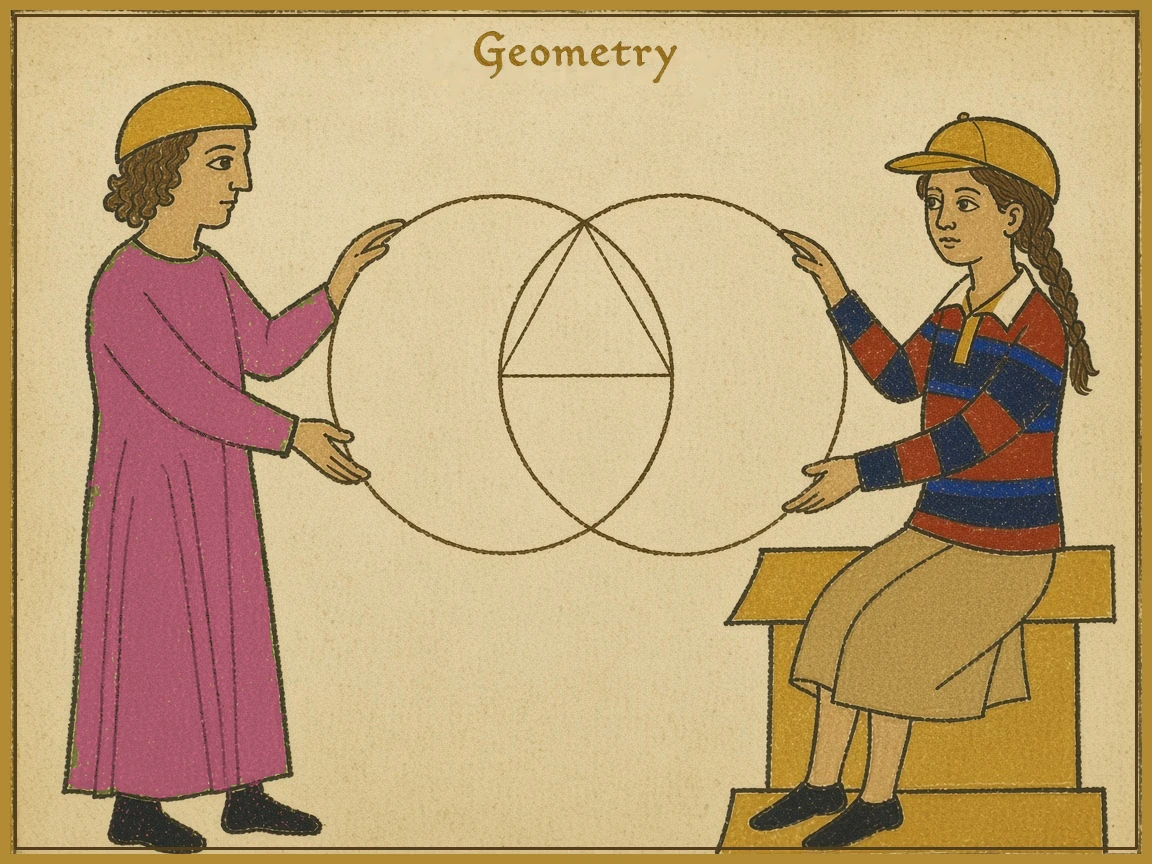
Geometry
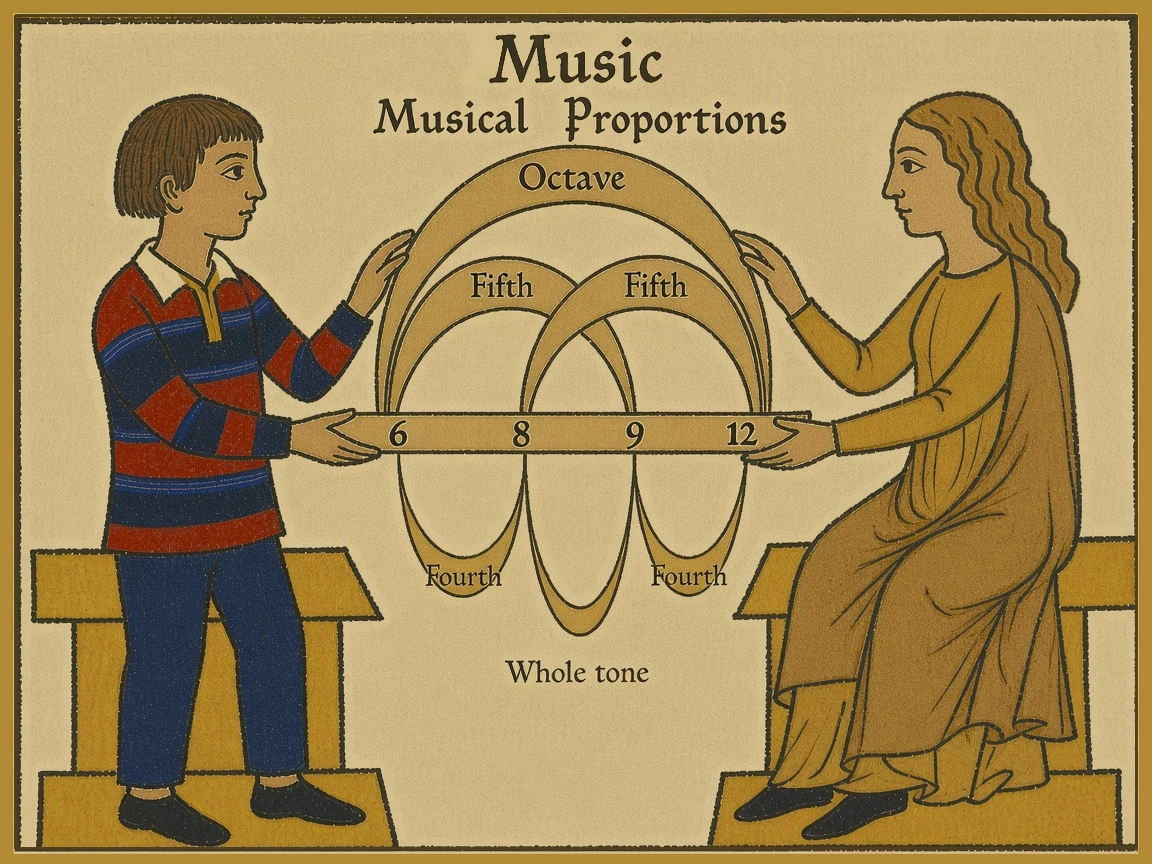
Music
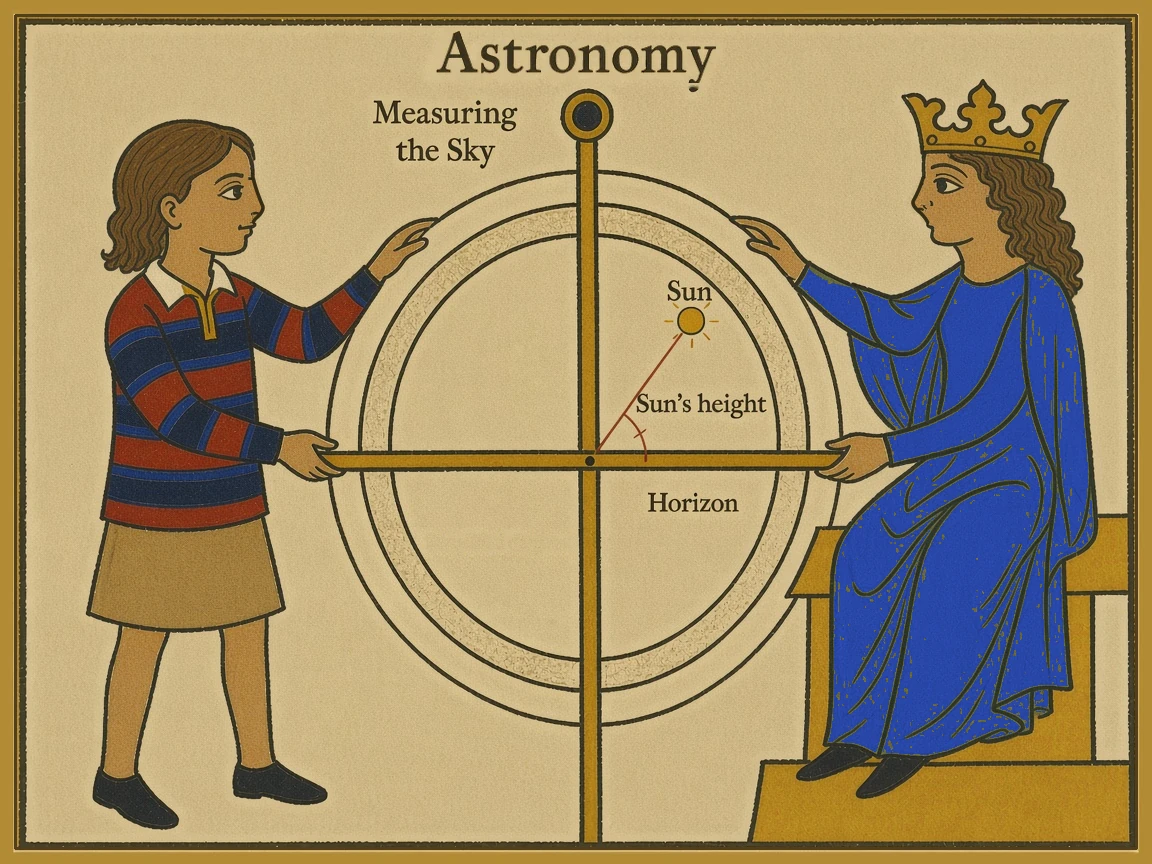
Astronomy

Our tutors count teaching a high calling. To every family, we promise to:
I
Model the Christian life, and encourage each child in their walk with the Lord.
II
Teach every subject from a biblical worldview, as a window into the order of God’s world.
III
Pursue excellence in the liberal arts, and inspire a love of learning and wisdom.
IV
Know and nurture every child in small classes.
V
Form character and virtue, so pupils grow into wise leaders.
VI
Keep an orderly, safe and gracious classroom.
VII
Partner with parents, honouring you as your child’s first teachers.
TCS began in 2022 as the culmination of twelve years spent searching for the best way to educate children. It was born of a move of God’s Spirit through the men’s Bible study at St Patrick’s Anglican Church, Mt Lawley, with the support of the Rev’d Fr Stephen Conway and the Rev’d Dr David Seccombe. It also came through suffering. When he was ontrack for school principalship, David and his wife, Talia's fourth child, a daughter, was born with a life limiting and profound disability. Thus they had to rethink their place in the world of education.
Today, as a Christian school alternative, we walk beside home-educating families three days a week, Pre-Primary to Year 10, forming children in faith, the liberal arts and wise leadership.
Through me you learn the letter's sound,
How syllables and words are found.
Grammar is the knowledge of speaking rightly, and the beginning and foundation of all the arts.
It teaches sounds, letters and the parts of speech, so we read well and write clearly.
It frees a child from being lost in words, so they can read anything for themselves and say what they mean.
Clear communication is a core 21st-century skill, in study, work and family life.
Pupils can ask AI precise questions and judge its answers. Clear writing also carries scientific ideas, reports and code instructions.
I set the arguments to bark and fight,
Like hounds, until the truth comes right.
Logic separates the true from the false.
It trains us to define terms, test arguments and spot contradictions.
It frees a child from being fooled, so no slogan, advert or machine can do their thinking for them.
Critical thinking and sound judgement are among the most prized capabilities today.
AI can be fluent and confidently wrong, and logic helps pupils catch it. Logic is also the foundation of computer programming and the scientific method.
Take sword and shield, the speaker's art,
To plead the cause and guard the heart.
Rhetoric is the art of speaking well in civil questions.
It teaches how to find ideas, order them, choose words, learn them by heart and speak well. Along the way it forms character, as pupils study and give speeches on virtues such as generosity, courage and honesty.
It frees a child to speak up for what is true and good, and to stand on their own feet in public life.
People trust speakers of good character whose lives match their words. Rhetoric forms both, building trust, leadership and civic community.
Machines can draft words, but people still need leaders they can trust, to govern the country, run a business or coach the footy club. Scientists and engineers also need rhetoric to explain their work and win support for it.
Of numbers I am made, you see,
And show how each may different be.
Arithmetic is the study of number in itself.
It builds sure counting and calculation, and an eye for patterns in number.
It frees a child from being confused by numbers, so they can manage money, weigh data and judge claims for themselves.
Numeracy and data skills underpin science, finance and technology.
Pupils can check AI's figures and grasp that these machines run on number. Arithmetic is the ground floor of all mathematics, science and computing.
With compass, rule and patient care,
I measure earth and all that's there.
Geometry is the study of size and shape; with great care it directs the measures of the earth.
It teaches construction, proportion and step-by-step proof.
It frees a child to prove things for themselves rather than take them on trust.
Spatial reasoning and proof drive engineering, design and coding.
Proof teaches pupils to verify results rather than trust a screen. Geometry underlies engineering, architecture, computer graphics and robotics.
In six and eight and nine and twelve
The sweetest harmonies I tell.
Music is the study of the numbers found in sound.
It reveals harmony, proportion and interval, and trains careful listening.
It frees a child from noise and distraction, opening their ears and heart to beauty and order.
Creativity, focus and memory are vital capabilities, and music strengthens all three.
AI can imitate music but cannot love beauty. The ratios of music also lead into the physics of sound, waves and acoustics.
Look up and learn the stars' bright ways,
That mark our seasons, nights and days.
Astronomy contemplates the courses and figures of the heavenly stars, and the laws by which they move.
It teaches observation, measurement, timekeeping and navigation.
It frees a child from a world as small as a screen, lifting their eyes to the heavens and the Creator's order.
Astronomy opened the way to physics, satellites and space exploration.
Testing ideas against real evidence helps pupils spot convincing AI-made imitations. Astronomy is also the gateway to physics, space science and the GPS on every phone.
Please complete the form to enquire about The Classical School. What happens next: we will contact you by phone or email to answer your questions and talk through enrolment for your family.
